The use of medical marijuana has sparked significant interest in recent years, particularly for those suffering from chronic pain. For many individuals who have struggled with traditional treatments, cannabis has become a transformative alternative. What began as a treatment option for conditions like arthritis, fibromyalgia, and nerve damage is now a catalyst for advocacy, with many patients sharing their powerful recovery stories.
In this article, we explore the growing role of medical marijuana in chronic pain management. We’ll take a closer look at the science behind how cannabis works, the benefits of using it over traditional painkillers, and hear firsthand experiences from individuals who have transitioned from patients to vocal advocates of this treatment.
Introduction to Chronic Pain: A Global Epidemic
Chronic pain is a condition that impacts millions of people worldwide. Defined as pain that persists for months or even years, it can result from a variety of underlying causes such as arthritis, fibromyalgia, nerve damage, back pain, and migraines. Unlike acute pain, which typically subsides after the body heals, chronic pain remains long after an injury or illness has healed, significantly affecting the quality of life for those who suffer from it.
Many people with chronic pain find themselves trapped in a cycle of ineffective treatments and medications. For some, over-the-counter painkillers and prescription drugs only provide temporary relief, and they often come with side effects that make long-term use unsustainable. In fact, the overuse of opioids, which are often prescribed for chronic pain, has contributed to the ongoing opioid crisis. As a result, many patients are turning to alternative treatments like medical marijuana to manage their pain in a safer, more sustainable way.
Overview of Medical Marijuana for Pain Management
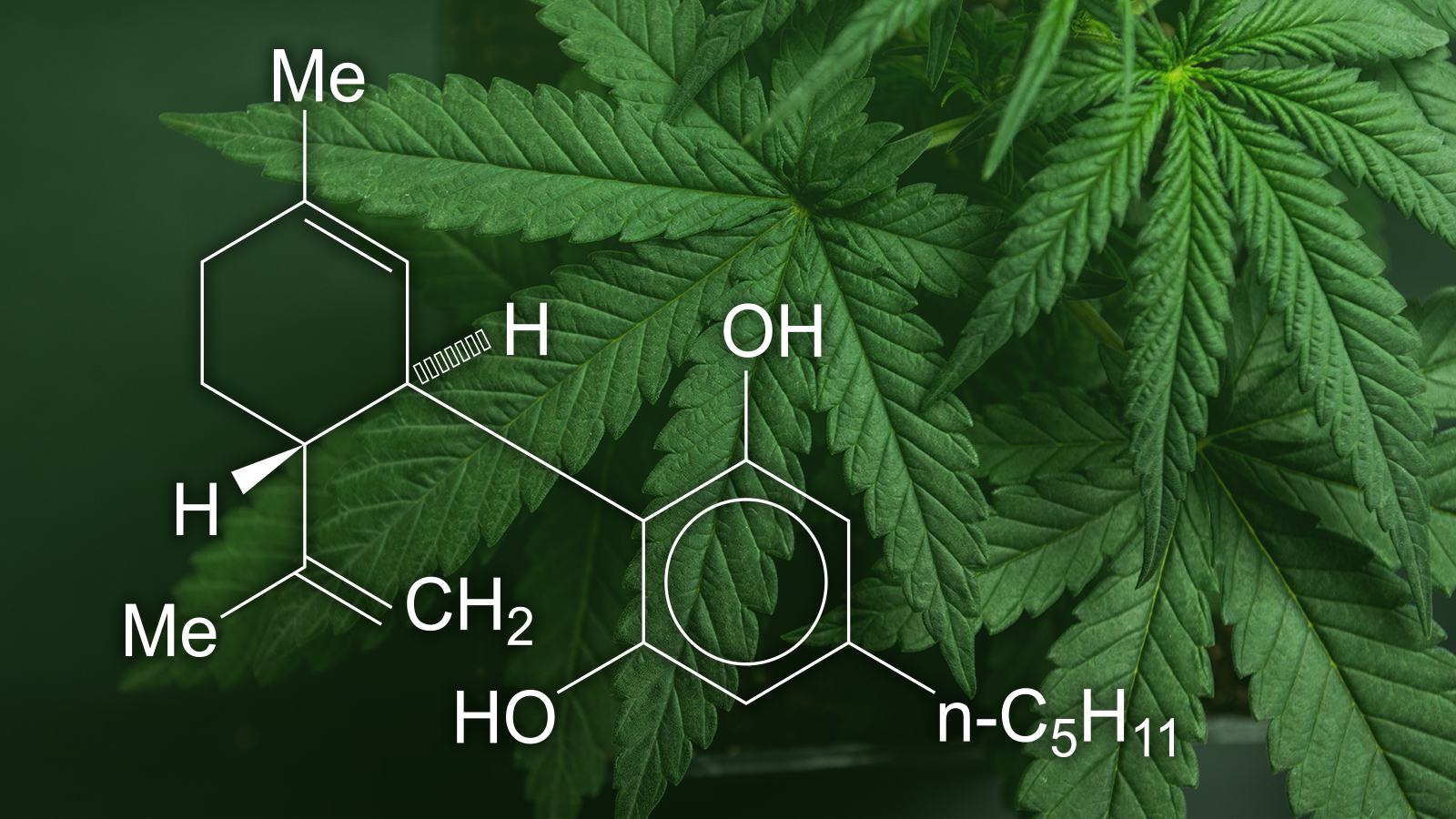
Medical marijuana is derived from the cannabis plant and contains compounds called cannabinoids, most notably THC (tetrahydrocannabinol) and CBD (cannabidiol). These compounds interact with the body’s endocannabinoid system (ECS), which is involved in regulating various functions such as pain, mood, and appetite. By binding to receptors in the ECS, cannabinoids can help reduce pain and inflammation, offering significant relief for chronic pain sufferers.
Unlike recreational marijuana, which is typically used for its psychoactive effects, medical marijuana is specifically cultivated and regulated for therapeutic purposes. It contains higher levels of CBD, which is non-psychoactive, and varying amounts of THC, which has pain-relieving properties but also produces a “high.” This combination offers patients targeted relief without the extreme effects associated with recreational cannabis use.
The Science Behind Medical Marijuana: How It Works
The two primary cannabinoids that are most often used in medical marijuana treatments for chronic pain are THC and CBD. Both work through the body’s endocannabinoid system to provide relief, but they do so in different ways:
1. THC: Pain Relief and Relaxation
THC, the compound responsible for marijuana’s psychoactive effects, can bind to CB1 receptors in the brain and nervous system, which helps reduce pain, stimulate appetite, and promote relaxation. Studies have shown that THC can be particularly effective for nerve pain, muscle spasms, and inflammation.
One 2018 study published in the Journal of Pain found that patients using THC reported a significant reduction in their pain levels, particularly those with neuropathic pain conditions like multiple sclerosis and spinal cord injury. When used in moderation, THC can also help reduce anxiety and promote better sleep, which is often disrupted by chronic pain.
2. CBD: Anti-Inflammatory and Pain-Reducing
CBD, on the other hand, is non-psychoactive and does not produce a “high.” It’s widely researched for its anti-inflammatory and pain-relieving properties. CBD can interact with CB2 receptors in the immune system, which helps reduce inflammation and pain without causing the cognitive effects associated with THC.

A 2016 review in the European Journal of Pain highlighted that CBD was effective in reducing pain and improving sleep for people suffering from arthritis. CBD can also help reduce inflammation, making it especially useful for those with autoimmune conditions and inflammatory diseases.
Together, THC and CBD provide a comprehensive approach to managing chronic pain, addressing both physical symptoms and mental health concerns such as stress and anxiety.
Scientific Evidence Supporting Medical Marijuana for Pain Relief
Numerous studies have demonstrated the efficacy of medical marijuana in treating chronic pain. A 2015 study published in the Journal of Pain showed that cannabis use was associated with a significant reduction in pain and an increase in quality of life for individuals suffering from various chronic pain conditions, including arthritis, fibromyalgia, and spinal cord injury.
Additionally, clinical trials involving cannabinoids have shown that medical marijuana can help reduce the need for opioid use. A 2018 study in JAMA Internal Medicine found that patients using cannabis for chronic pain were able to reduce their opioid consumption significantly, with many reporting a decrease in pain intensity and an improvement in sleep quality.
Benefits of Medical Marijuana Over Traditional Painkillers
When compared to traditional pain medications, such as opioids or over-the-counter anti-inflammatory drugs, medical marijuana offers several distinct advantages:
1. Lower Risk of Addiction and Dependency
Opioids, while effective for short-term pain relief, come with a significant risk of addiction and overdose. Medical marijuana, in contrast, has a much lower risk of dependency, especially when used under medical supervision. Research suggests that cannabis has a far lower abuse potential than opioid medications and is far less likely to lead to overdose.
2. Fewer Side Effects
Traditional pain medications like opioids and NSAIDs (nonsteroidal anti-inflammatory drugs) often come with serious side effects, including gastric bleeding, kidney damage, and liver toxicity. Medical marijuana, particularly CBD, is generally well-tolerated, with side effects typically limited to dry mouth, drowsiness, and occasional dizziness.
3. Potential for Improved Mental Health
Chronic pain can be mentally and emotionally draining, leading to depression and anxiety. Unlike traditional painkillers, medical marijuana may also improve mood, reduce anxiety, and help individuals manage the mental toll of chronic pain, which is why many patients find it an effective, holistic treatment option.
Real Patient Stories: From Patients to Advocates
For many individuals, the transition from patient to advocate is a natural one. When they experience firsthand the positive effects of medical marijuana, they feel compelled to share their stories and encourage others to consider this alternative treatment. Here are a few real-life experiences:
- Emma’s Story: Emma, a 42-year-old with fibromyalgia, had spent years trying various medications, but nothing seemed to work. After starting medical marijuana, she noticed a significant improvement in her pain levels, and for the first time in years, she felt like she could live her life again. “It was a game-changer for me,” Emma says. “I went from being unable to function to feeling like I could take on the world. Now, I’m not just a patient—I’m an advocate for others who need this treatment.”
- John’s Experience: John, a veteran with chronic back pain from years of physical labor, had been prescribed opioids for over a decade. Concerned about the long-term effects, he began using medical marijuana under his doctor’s guidance. “It was like a veil had been lifted. I had better pain relief, less anxiety, and no more worrying about addiction,” says John. He now works with organizations to help veterans access medical marijuana for pain management.
These personal stories highlight the life-changing impact of medical marijuana on chronic pain sufferers and underscore why many patients have become passionate advocates for this treatment.
Legal and Accessibility Issues
While medical marijuana has been legalized in many regions, access to it is still restricted in some areas. The legal status of medical marijuana varies widely across different countries and even within states in the U.S. Patients must often navigate complex regulations and obtain a medical prescription to legally use cannabis for pain relief.
It’s crucial for patients to consult with a healthcare provider before beginning treatment with medical marijuana. A doctor can help determine if cannabis is appropriate, ensure proper dosing, and monitor for any potential side effects.
Conclusion
As more individuals with chronic pain explore alternative treatments, medical marijuana is increasingly seen as a safe, effective, and non-addictive option. For many, it’s not just a treatment; it’s a lifeline that allows them to reclaim their lives from the shackles of chronic pain.
The stories of patients-turned-advocates emphasize the transformative power of cannabis in pain management, and as research continues, the benefits of medical marijuana are likely to grow even more apparent. For those considering this alternative, it’s essential to seek guidance from a healthcare professional to ensure the right approach to treatment.
FAQS
Chronic pain is pain that persists for months or years, often due to conditions like arthritis or nerve damage. It can severely affect mobility, mood, and everyday tasks, leading to a diminished quality of life for many individuals.
Medical marijuana works by interacting with the body’s endocannabinoid system to reduce pain, inflammation, and muscle spasms. It contains compounds like THC and CBD, which target pain receptors to alleviate discomfort.
Yes, medical marijuana has a much lower risk of addiction and overdose compared to opioids. It offers an effective alternative for long-term pain management without the dangerous side effects of opioid use.
Medical marijuana can significantly reduce pain and improve quality of life, but it may not replace all traditional medications. It should be part of a comprehensive treatment plan designed by a healthcare provider.
Common side effects of medical marijuana include dry mouth, dizziness, and drowsiness. These side effects are typically mild and can be managed with proper dosage under the guidance of a healthcare professional.