
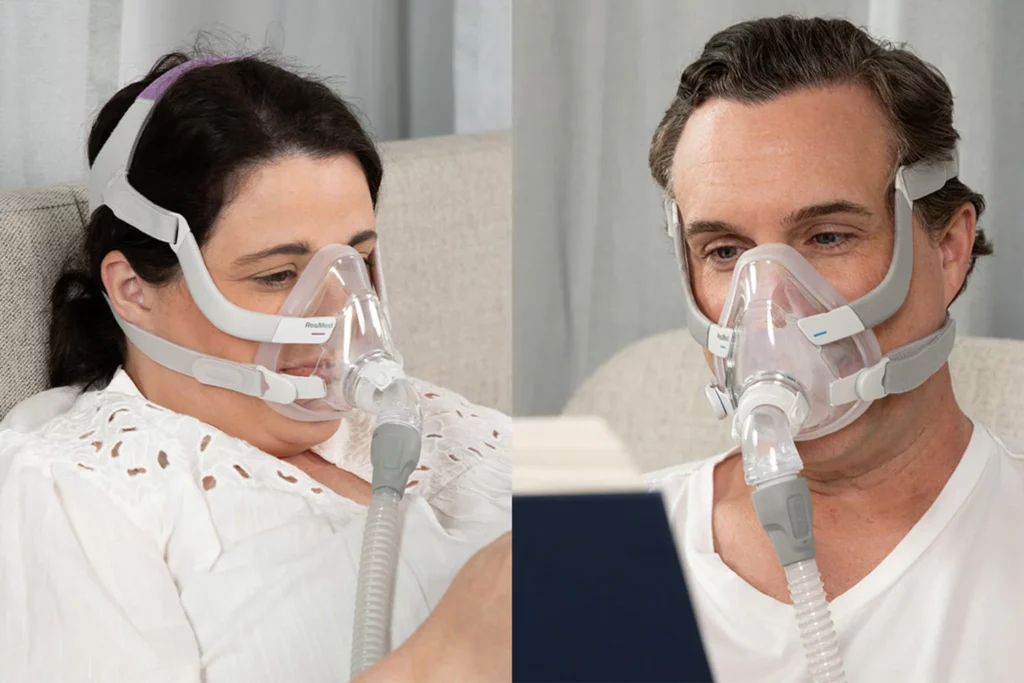
Finding a mask that seals well and feels natural is often the difference between sticking with therapy and giving up. This guide revisits what matters most for fit, comfort, and performance, with Australian sleepers, climates, and buying options in mind.
What makes the Best CPAP Masks in Australia worth buying?
The Best CPAP Masks in Australia are the ones that match the user’s breathing style, sleep position, and pressure needs while staying comfortable for hours. In practice, that means a stable seal, minimal pressure points, and a design that suits how they actually sleep, not how a product photo suggests they should.
The “best” mask is rarely universal. It is usually the best match.
Should they choose nasal, nasal pillow, or full-face designs?
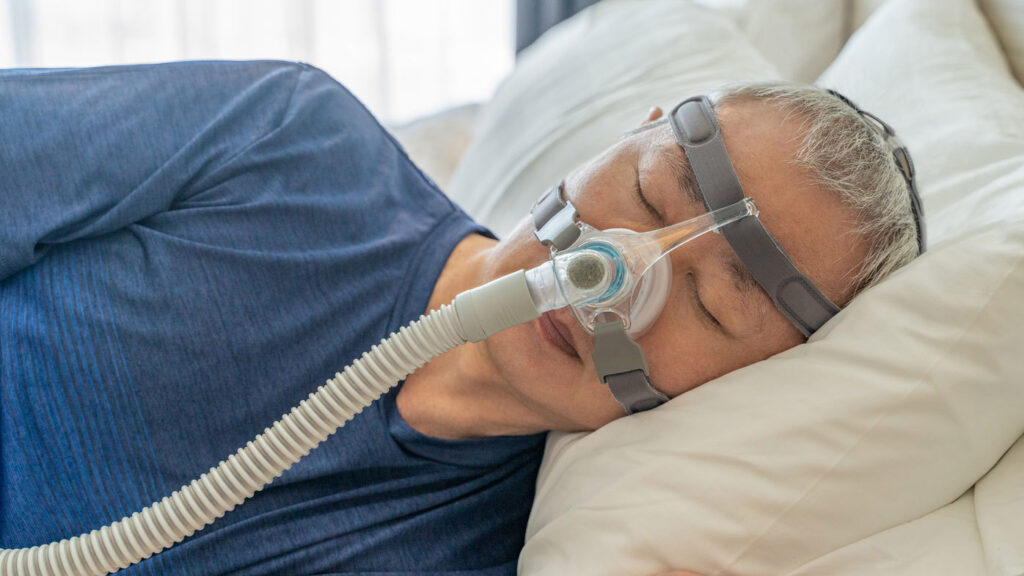
They should choose based on whether they breathe through the nose, the mouth, or both at night. Nasal pillows suit many side sleepers and people who dislike bulky frames, while nasal masks suit those who want a bit more stability around the nose.
Full-face masks are often better for habitual mouth-breathers or anyone who regularly wakes with a dry mouth, especially during colder Australian winters when indoor air can feel drier.
Which top-rated brands are most trusted in Australia?
In Australia, the most commonly recommended and widely stocked brands include ResMed, Fisher & Paykel, Philips Respironics, and BMC. Availability matters because easy access to replacement cushions and headgear keeps therapy consistent.
Many Australians also prefer brands with local support, clear warranty pathways, and strong compatibility across major CPAP machines used in clinics and home setups.
Why does ResMed remain a leading choice locally?
ResMed is strongly represented in Australia, and many users appreciate the combination of quiet operation and practical mask engineering. Their masks often focus on lightweight frames, flexible tubing connections, and cushions designed to reduce leaks when they move.
When people talk about the Best CPAP Masks in Australia, ResMed models frequently appear because replacements are easy to source through Australian CPAP suppliers and many sleep clinics.
Which ResMed masks are commonly praised for comfort?
ResMed’s AirFit and AirTouch ranges are widely discussed for comfort-focused design. AirFit cushions typically use silicone, while AirTouch cushions use memory foam that some users find gentler on the bridge of the nose.
For many, comfort comes down to small details like softer contact points and stable headgear that does not need to be overtightened to hold a seal.
What makes Fisher & Paykel masks different for Australian sleepers?
Fisher & Paykel masks are often chosen for their emphasis on fit variability and comfort across different face shapes. Their designs frequently focus on reducing pressure and accommodating movement without constant readjustment.
For Australians dealing with hot nights, some users also prefer masks that manage moisture well, especially if they run humidification and want to reduce condensation and dampness.
Which Fisher & Paykel options suit side sleepers best?
Side sleepers often do best with low-profile designs and stable, flexible frames. Fisher & Paykel’s nasal and pillow options are commonly considered because they tend to avoid bulky forehead supports and can sit more naturally when the face presses into a pillow.
For people seeking the Best CPAP Masks in Australia, side-sleeper friendliness is often a deciding factor, not a bonus feature.
Are Philips Respironics masks still a good option in Australia?
They can be, particularly for users who already know they like the brand’s headgear feel or cushion style. Philips Respironics masks are stocked in Australia through various suppliers, although specific availability can vary by model and state.
The key is making sure they can easily replace the exact cushion and headgear size they need, rather than settling for “close enough”.
What should they know about BMC and other value-focused brands?
BMC and similar brands can appeal to Australians who want solid performance without premium pricing. They are often used as alternative options when a user wants a different cushion feel or needs a backup mask.
The trade-off may be fewer brick-and-mortar fitting options, so sizing and return policies matter more. A careful fit check is essential if they are ordering online.
How do they know if a mask actually fits properly?
A good fit is a stable seal at their typical pressure, without needing to crank the straps tight. They should test the mask while lying in their real sleep position, because facial contours change when they recline.
If the mask leaks only when they roll to the side, they may need a different style or a different cushion size, not more strap tension.
What are the most common comfort issues, and how can they fix them?
The usual complaints are leaks into the eyes, nose bridge soreness, facial marks, and dryness. Many of these issues are solved by changing cushion size, switching mask type, or adjusting humidification rather than forcing the same mask to work.
If they keep chasing the seal by tightening straps, comfort usually gets worse, and leaks often return once the cushion deforms.
Does humidification matter for mask comfort in Australia?
Yes, especially in air-conditioned homes, dry inland areas, or during winter heating. Humidification can reduce dryness and irritation, which helps many users tolerate therapy long-term.
However, too much humidity can cause rainout, which is when moisture collects in the tube or mask. A heated tube, insulation, or slightly lower humidity settings can help.
How should they choose a mask if they breathe through their mouth?
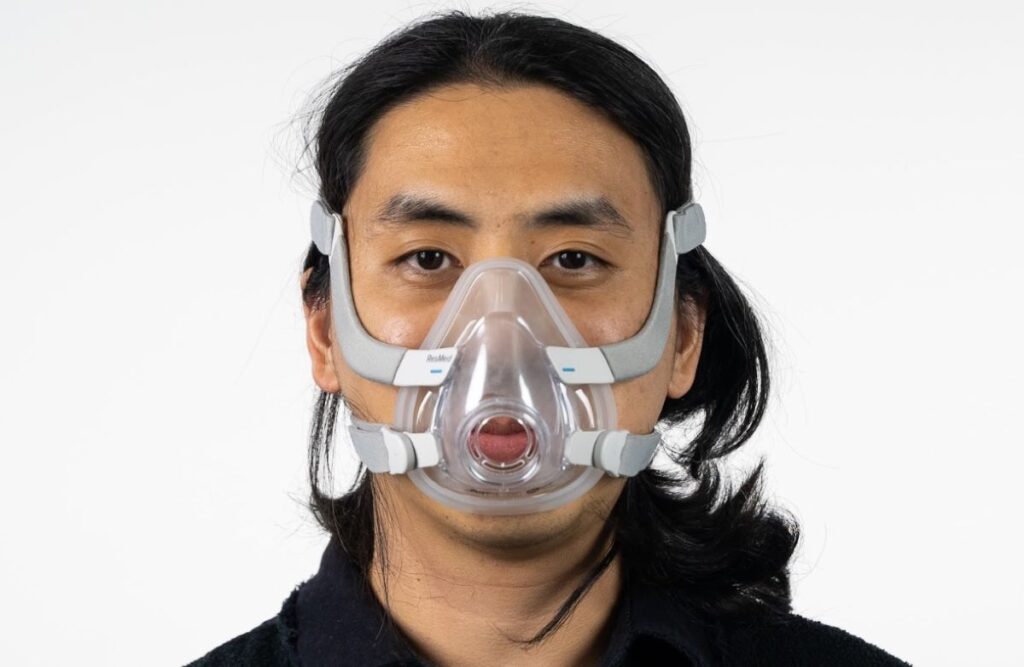
If they breathe through the mouth regularly, a full-face mask is often the simplest solution. Some people try a chin strap or mouth tape with a nasal mask, but comfort and safety vary, and they should follow clinical advice.
For mouth-breathers looking for the Best CPAP Masks in Australia, the most reliable outcome usually comes from a well-fitted full-face mask with a stable seal at their prescribed pressure.
Which masks tend to work better at higher CPAP pressures?
Higher pressures usually demand a more stable seal and a cushion that holds shape well. Some users find that full-face masks or more structured nasal masks perform better than minimal-contact pillows at higher settings, but it depends on facial structure and movement.
They should also consider how the exhalation vents feel because stronger airflow can be more noticeable at higher pressure.
What should they prioritise if they sleep on their side or stomach?
They should prioritise minimal bulk, a flexible hose connection, and a cushion that does not shift when pressed into a pillow. Side sleepers often benefit from nasal pillows or compact nasal masks, while stomach sleepers may need the lowest-profile option possible.
A CPAP-friendly pillow can also help by creating space for the mask and reducing pushback that causes leaks.
How can they reduce leaks without overtightening the headgear?
They can start by reseating the cushion with the machine running, then gently adjusting straps in small steps. Many masks seal best when slightly loose, because the cushion inflates and settles into place.
If leaks persist, it is often a sizing issue or a mask-style mismatch. The Best CPAP Masks in Australia are rarely the ones they have to fight every night.
What features matter most for long-term comfort?
Over the long term, comfort comes from consistent seal, easy cleaning, and parts that are affordable to replace in Australia. Quiet venting, soft headgear, and fewer pressure points keep users wearing the mask for the full night.
Users should also consider clip systems and magnetic fasteners if they remove the mask during the night, as convenience affects compliance.
How often should they replace cushions, headgear, and frames?
Replacement timing depends on wear, cleaning habits, and oils on the skin, but cushions generally need replacing more often than frames. They should watch for loss of seal, visible wear, or a cushion that feels tacky or stiff.
Because Australian stock and pricing vary by supplier, they should check local replacement schedules and availability when choosing among the Best CPAP Masks in Australia.
Where can they buy CPAP masks in Australia with confidence?
They can buy through Australian CPAP retailers online, sleep clinics, and some pharmacies that stock CPAP accessories. The safest path is choosing a seller with clear sizing guidance, easy access to replacement parts, and fair change-of-mind or exchange options.
If possible, an in-person fitting can save weeks of frustration, especially for first-time users.
Should they consider trial programmes and mask-fit guarantees?
Yes, because comfort is personal and early failure is common when the first mask is a poor match. Many Australian suppliers offer trial periods, swap options, or fitting support that helps users find the right style.
A trial option is particularly valuable when they are choosing between nasal and full-face designs, or when they are unsure about sizing.
What are the top comfort picks to revisit in 2026?
The most revisited comfort picks tend to be lightweight nasal pillows for minimal contact, stable nasal masks for balanced support, and modern full-face masks designed to reduce nose-bridge pressure. Brands like ResMed and Fisher & Paykel remain popular in Australia due to broad support and easy parts access.
When compiling lists of the Best CPAP Masks in Australia, the consistent winners are usually the ones that combine stable sealing with low-friction comfort and simple upkeep. Check out more about Resmed Masks magnets.
How can they decide between “top rated” and “right for them”?
They should treat ratings as a shortlist, not a final answer. A five-star mask for a back sleeper can be a terrible choice for a side sleeper, and a “premium” model can still fail if the cushion shape does not suit their face.
The best approach is to match mask type to breathing style first, then refine by fit, comfort features, and Australian replacement part availability.
What is the simplest shortlist to start with?
A simple shortlist includes one nasal pillow option, one nasal mask option, and one full-face option from a widely supported Australian brand. That gives them a clear comparison without getting lost in dozens of models.
For many first-time users, that step alone narrows the search for the Best CPAP Masks in Australia to a manageable, practical decision they can test and refine.
More to Read : Aerobika OPEP Device Explained: Benefits, Setup & Cleaning Tips
FAQs (Frequently Asked Questions)
What factors make the Best CPAP Masks in Australia worth buying?
The Best CPAP Masks in Australia are those that align with the user’s breathing style, sleep position, and pressure requirements while offering comfort for extended use. Key features include a stable seal, minimal pressure points, and a design tailored to actual sleep habits rather than idealised product images.
How do I choose between nasal, nasal pillow, or full-face CPAP mask designs?
Choice depends on your breathing patterns during sleep. Nasal pillows suit many side sleepers and those preferring less bulky frames; nasal masks provide more stability around the nose; full-face masks are ideal for habitual mouth-breathers or those who wake with dry mouth, especially in colder Australian climates where indoor air can be dry.
Which CPAP mask brands are most trusted and widely available in Australia?
In Australia, leading and commonly recommended brands include ResMed, Fisher & Paykel, Philips Respironics, and BMC. These brands offer good local support, warranty options, compatibility with major CPAP machines, and easy access to replacement cushions and headgear to ensure consistent therapy.
Why is ResMed considered a leading choice for CPAP masks in Australia?
ResMed is popular locally due to its quiet operation and practical mask engineering. Their masks typically feature lightweight frames, flexible tubing connections, and cushions designed to reduce leaks during movement. Additionally, ResMed products are readily available through Australian suppliers and sleep clinics.
Which ResMed mask ranges are praised for comfort by Australian users?
ResMed’s AirFit and AirTouch ranges receive high praise for comfort-focused designs. AirFit cushions use silicone material while AirTouch cushions employ memory foam that is gentler on the nose bridge. Comfort often comes from softer contact points and stable headgear that doesn’t require overtightening to maintain a seal.
What makes Fisher & Paykel CPAP masks suitable for Australian sleepers?
Fisher & Paykel masks emphasise fit variability and comfort across diverse face shapes. Their designs reduce pressure points and accommodate movement without frequent adjustments. For Australians experiencing hot nights, these masks manage moisture effectively when using humidification, reducing condensation and dampness for improved comfort.