
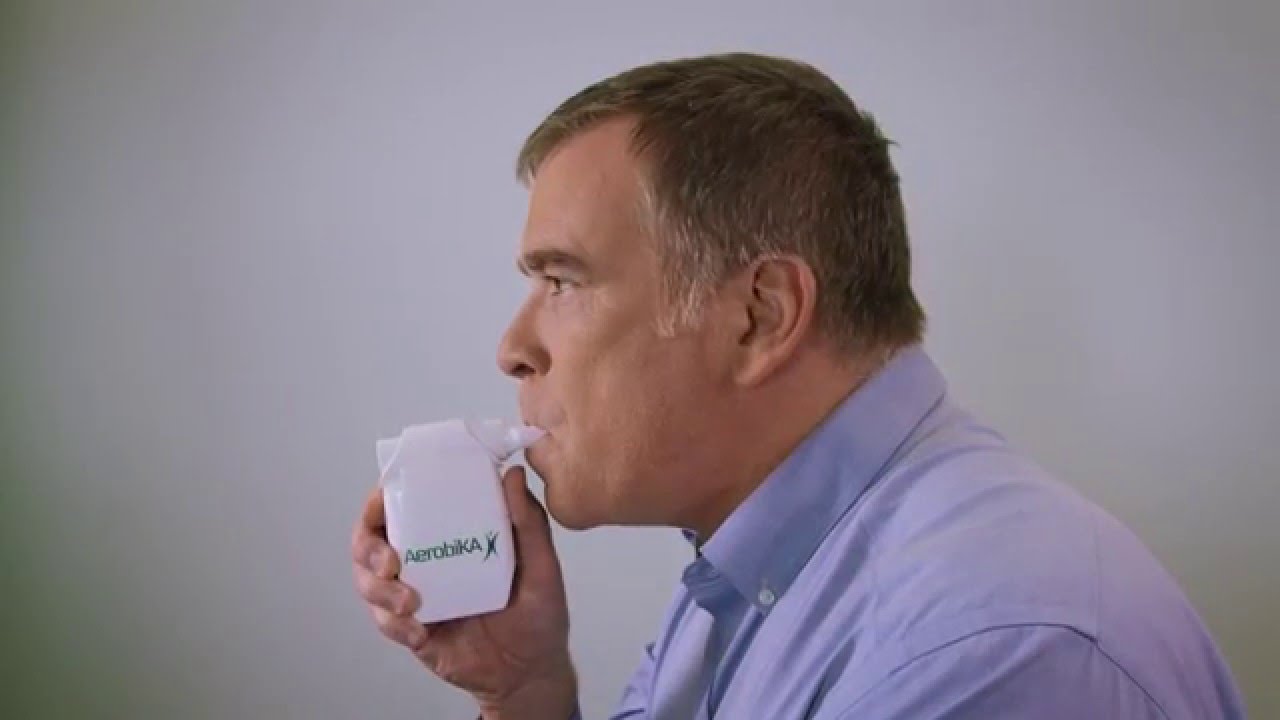
What Is the Aerobika OPEP Device and How Does It Work?
The Aerobika OPEP device is a handheld respiratory device that helps clear mucus from the airways through oscillating positive expiratory pressure technology. This drug-free tool assists people with chronic lung conditions by making it easier to breathe and expel trapped mucus.
How Does the Aerobika Work?
Oscillating positive expiratory pressure (OPEP) combines two therapeutic mechanisms in one device. When you exhale through the Aerobika, it generates back-pressure that keeps airways open while simultaneously creating rapid vibrations. These vibrations travel through your airways at frequencies between 15-35 Hz, depending on your resistance setting.
The device works through a simple yet effective process:
- Positive pressure prevents weak or collapsed airways from closing during exhalation
- Oscillating vibrations shake loose thick, sticky mucus attached to airway walls
- Combined action thins secretions and moves them toward larger airways where they can be coughed out
How Does the Aerobika Help Clear Mucus?
During exhalation, air passes through the valve cartridge, which contains a rotating cone. This cone interrupts the airflow repeatedly, creating the characteristic vibrations you feel. The pressure builds up behind the mucus plugs, breaking them apart and reducing their viscosity. This dual-action mechanism transforms stubborn mucus into a consistency that’s easier to clear through natural coughing, improving overall lung function and breathing quality.
Who Can Benefit from Using the Aerobika OPEP Device?
The Aerobika OPEP device serves patients with chronic respiratory conditions that produce excess mucus. Individuals diagnosed with COPD, bronchiectasis, cystic fibrosis, asthma, and other lung diseases experience significant benefits of Aerobika therapy as part of their daily management routine.
Benefits for COPD Patients
COPD treatment with the Aerobika addresses one of the condition’s most challenging symptoms—persistent mucus buildup that narrows airways and makes breathing difficult. The device’s oscillating pressure helps patients maintain clearer airways without relying solely on medications.
Benefits for Bronchiectasis Patients
People with bronchiectasis face damaged, widened airways that trap mucus and increase infection risk. The Aerobika’s vibrations reach deep into these compromised airways, mobilizing stubborn secretions that would otherwise remain lodged in damaged tissue.
Benefits for Cystic Fibrosis Patients
Cystic fibrosis patients produce abnormally thick, sticky mucus that clogs airways and creates a breeding ground for bacteria. The device’s positive pressure and oscillations work together to thin this dense mucus, making it manageable enough to expel through coughing.
Benefits for Lung Disease Patients
The device excels at opening weak or collapsed airways—a common problem in advanced lung diseases. By maintaining positive pressure during exhalation, it prevents premature airway closure and keeps breathing passages open longer.
This drug-free airway clearance method complements existing treatments rather than replacing them. Patients notice improved breathing quality, reduced shortness of breath, and better exercise tolerance as their lungs function more efficiently with regular use.
What Are the Main Components of the Aerobika OPEP Device?
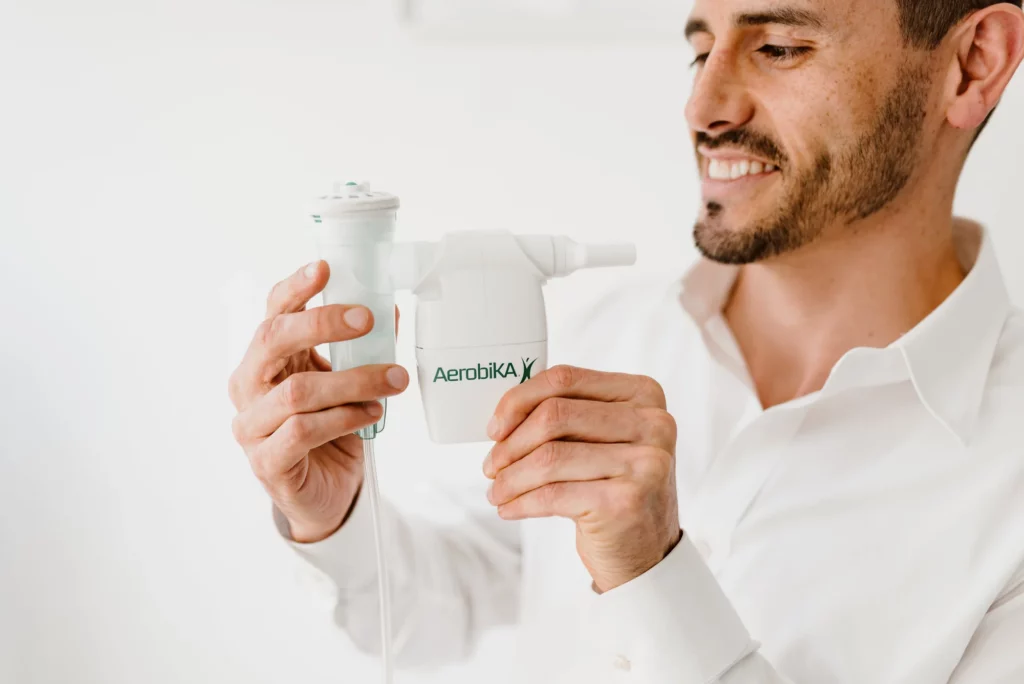
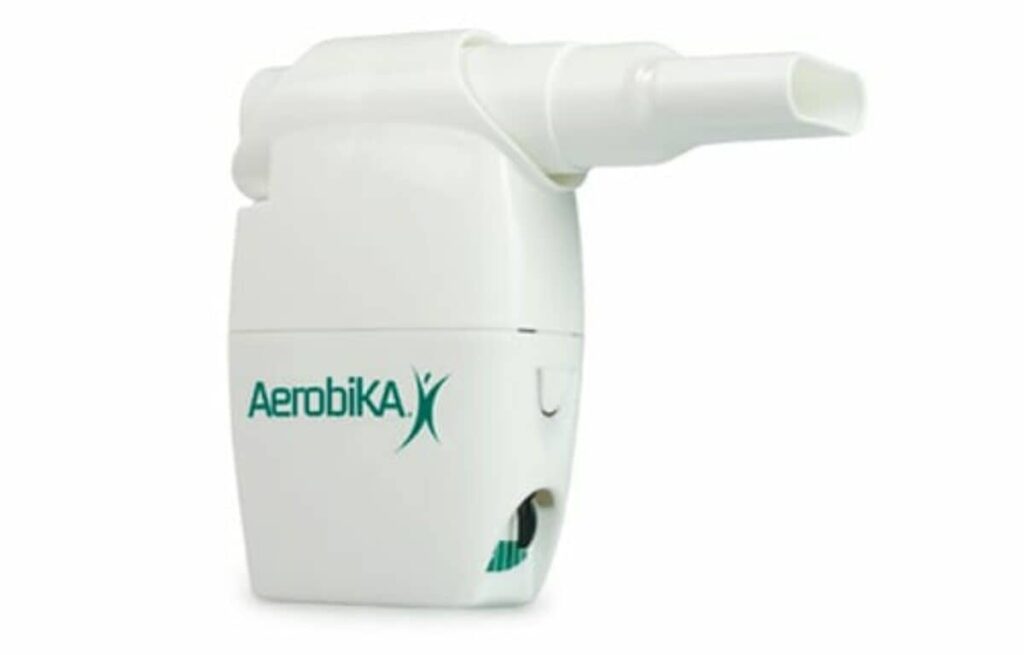
The Aerobika device consists of four essential Aerobika parts that work together to deliver effective airway clearance therapy.
- The mouthpiece serves as the interface where users place their lips to create a tight seal during exhalation.
- The protective case houses all internal components and provides structural support for the device.
- The valve cartridge represents the core technology, containing the internal mechanism that generates oscillating vibrations as air passes through during exhalation.
- This component creates the therapeutic pressure waves that loosen mucus from airway walls.
- The resistance indicator displays five numbered settings (1-5) that allow users to adjust the pressure level.
Each resistance setting determines how much effort is required during exhalation:
- Lower settings (1-2): Easier breathing, suitable for beginners or those with severe airway limitations
- Medium settings (3): Balanced resistance for most users
- Higher settings (4-5): Greater pressure generation for advanced therapy needs
This adjustable resistance system enables personalized therapy tailored to individual lung capacity, disease severity, and treatment goals. Healthcare providers typically recommend starting at lower settings and gradually increasing resistance as tolerance improves.
How Should Users Properly Set Up and Use the Aerobika OPEP Device?
Proper Aerobika setup instructions begin with correct body positioning. Sit upright in a chair with your feet flat on the floor to optimize lung expansion and airway clearance during therapy sessions.
The breathing technique follows a specific pattern for maximum effectiveness, similar to the Active Cycle of Breathing Technique:
- Inhale deeply through your nose, filling your lungs completely
- Hold your breath for 2-3 seconds to allow air distribution throughout the airways
- Place the mouthpiece between your lips, creating a tight seal
- Exhale actively through the device for 3-4 seconds while feeling the vibrations
- Repeat this cycle for 10-20 breaths per session
You should feel gentle vibrations or oscillations during exhalation—this indicates the device is working properly to loosen mucus. After completing the breathing cycles, perform 2-3 strong coughs to expel loosened secretions from your airways.
For patients using bronchodilators or nebulizer therapy, how to use Aerobika device becomes a two-step process. Administer your prescribed medication first, wait 5-10 minutes for the airways to open, then proceed with your Aerobika session. This sequence enhances mucus clearance by allowing the medication to reach deeper into relaxed airways before mechanical clearance begins.
Most respiratory therapists recommend two to three sessions daily, adjusting frequency based on mucus production and individual needs. Click here to get more about best CPAP masks in Australia.
Why Is Cleaning the Aerobika Device Important and How Should It Be Done?
Proper device hygiene prevents bacterial growth and respiratory infections that could worsen lung conditions. Respiratory devices that contact saliva and mucus create ideal environments for pathogens without regular cleaning Aerobika device protocols.
Daily Cleaning Procedure:
- Disassemble all four components immediately after use
- Wash each part in warm water with liquid dish soap
- Rinse thoroughly under running water to remove soap residue
- Shake off excess water and place parts on clean towel to air dry completely
Weekly Disinfection Options:
- Boiling method: Submerge parts in boiling water for 5 minutes
- Microwave steam bags: Follow manufacturer’s instructions for steam sterilization
- Chemical soak: Immerse in 70% isopropyl alcohol or 3% hydrogen peroxide for 30 minutes
Never reassemble the device while parts remain damp, as moisture promotes bacterial growth. These Setup & Cleaning Tips for disinfecting respiratory devices ensure safe, effective therapy sessions. Store the dried, assembled device in a clean, dry location between uses to maintain optimal hygiene standards.
What Are the Contraindications and Safety Precautions for Using the Aerobika Device?
The Aerobika device isn’t suitable for everyone—certain medical conditions require avoiding its use to prevent complications. Individuals with high intracranial pressure exceeding 20 mm Hg or experiencing hemodynamic instability should not use this device, as the positive pressure could worsen their condition.
Recent surgical procedures present significant risks. Anyone who has undergone facial, oral, or skull surgery or trauma must wait until fully healed before starting Aerobika therapy, as the pressure generated during exhalation could disrupt healing tissues.
Several respiratory and related conditions require caution:
- Acute sinusitis can worsen with pressure changes; it’s important to note that this condition is commonly associated with antibiotic overuse according to CDC guidelines.
- Active hemoptysis (bleeding from lungs or nose) may intensify
- Untreated pneumothorax poses serious risks when combined with positive pressure
- Tympanic membrane rupture or other ear problems can cause pain or damage
- Severe nausea may trigger vomiting during device use
Patients unable to tolerate increased breathing effort or those with difficulty following instructions should consult their healthcare provider before using the Aerobika. Understanding these Aerobika contraindications and safety precautions respiratory devices require ensures effective, risk-free therapy.
How Does the Aerobika OPEP Device Support Natural Airway Clearance at Home or in Clinical Settings?
The Aerobika OPEP device enables effective natural airway clearance without requiring hospital visits or complex equipment. Patients with chronic lung conditions can perform therapy independently at home, maintaining consistent respiratory care between medical appointments.
Benefits of Aerobika for Home Respiratory Therapy
Home respiratory therapy becomes manageable through the device’s straightforward design:
- No power source or batteries required
- Portable enough to travel anywhere
- Simple operation after initial instruction
- Fits seamlessly into morning and evening routines
Benefits of Aerobika for Clinical Use
The clinical use Aerobika extends beyond standalone treatment. Respiratory therapists integrate it with bronchodilators, allowing medications to penetrate deeper into clearer airways. When combined with nebulized treatments, the device enhances drug delivery by removing mucus barriers first.
How Daily Use of Aerobika Benefits Lung Health
Daily incorporation strengthens lung health through:
- Consistent mucus mobilization preventing buildup
- Reduced risk of respiratory infections
- Decreased breathlessness during activities
- Better medication effectiveness
This complementary approach to respiratory care empowers patients to actively manage their condition, reducing emergency interventions while maintaining optimal lung function through regular, controlled therapy sessions.
